About Thomas Ind

Mr Ind is the President of the British Gynaecological Cancer Society (BGCS) and he performed the first robotic gynaecological procedure in the UK as well as the first single incision hysterectomy. He specialises in complex gynaecological surgery and many of his patients are referred by other gynaecologists. Thomas Ind is one of the country’s most experienced laparoscopic surgeons and is generally considered to be the pioneer of robotic gynaecological surgery in the UK with a prize awarded by BIARGS (British & Irish Association of Robotic Gynaecological Surgeons) named after him. Mr Ind is also active in research and is the author of numerous academic papers, books, and book chapters including being a section editor of Gray’s Anatomy.



Key Services
Colposcopy
Colposcopy is a detailed examination of the cervix using a specially designed microscope. It can be used to identify pre-cancerous changes in the cervix and assess whether treatment is necessary to prevent cancer developing in the future.
Find out moreWomen’s Cancer
The department of health advises that most women with gynaecological cancer are managed by a sub-specialist team. The best evidence in medical literature suggests that women with gynaecological cancer do better if managed by a gynaecological oncology accredited surgeon compared to a general gynaecologist or a general surgeon.
Book ConsultationRemote Appointments
We offer remote appointments, either by phone or video call, for people who are unable to get to one of our clinics. These appointments are as comprehensive as a face-to-face appointment. If a physical examination is deemed necessary then arrangements will be made for you to be seen in person.
Our private gynaecological services in London
We offer a range of private gynaecology services in London, designed to provide clarity and reassurance without overwhelming you. Each service is supported by specialist expertise, with time to explain what findings mean and what options may be right for you.
Colposcopy
Colposcopy is a detailed examination of the cervix using a specialist microscope. It is commonly recommended after an abnormal cervical screening or HPV result, and can help identify cell changes more clearly.
Colposcopy aims to assess any changes carefully and reduce the risk of future problems.

Gynaecological cancer
If there’s a concern about gynaecological cancer, or you’ve already received a diagnosis, specialist input is important. Care is provided by a consultant gynaecological oncologist and may include further investigations, treatment planning and second opinions.
Mr Thomas Ind’s work at The Royal Marsden informs his approach to cancer and complex cases, alongside thoughtful communication and attention to your circumstances. The focus is on helping you understand your diagnosis and what happens next.

Women’s health check
A women’s health check may be suitable if you are seeking reassurance or a broader review of your gynaecological health. It can include assessment and investigations, depending on your age, symptoms and medical history.
You’ll receive comprehensive feedback to help you understand what’s normal for you and whether any follow-up may be needed, with time to ask questions and discuss any concerns.
Cervical screening
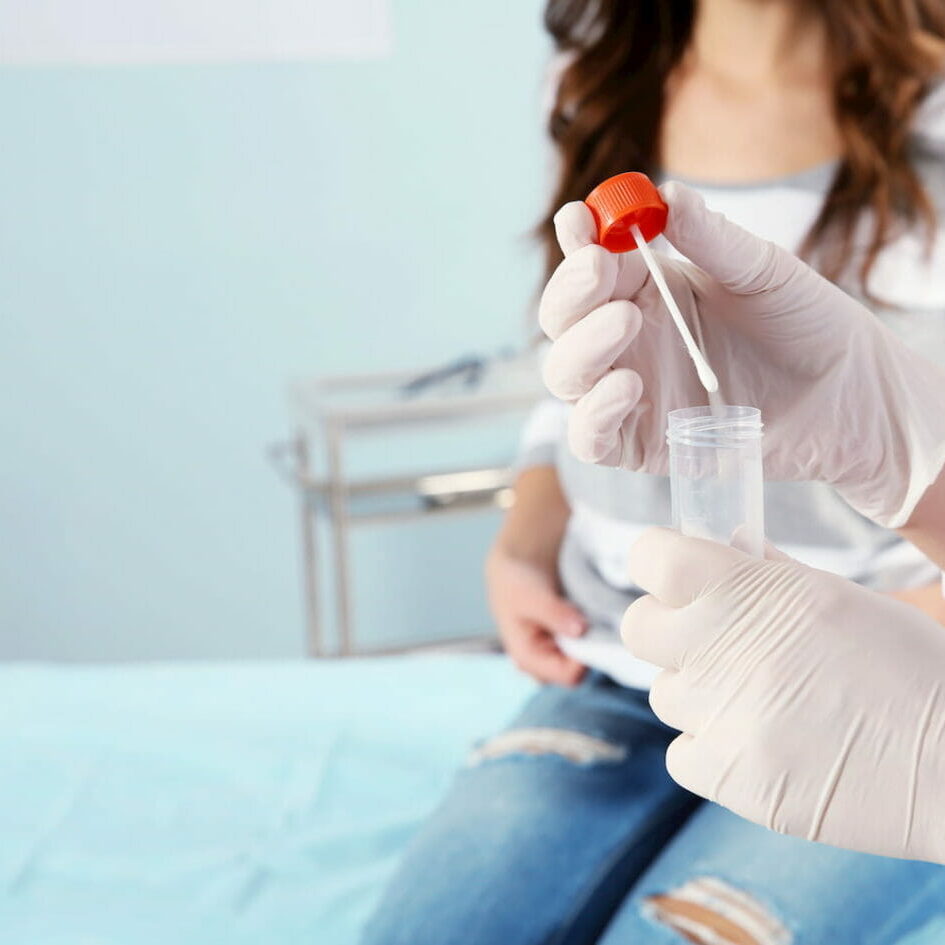
Cervical screening looks for HPV and early cell changes in the cervix that may increase the risk of cervical cancer over time. Most abnormal results show minor changes and do not mean cancer.
These changes can often be monitored or managed. We’ll explain your results and advise whether further tests may be helpful, so you understand what the findings mean and why the next steps are recommended.
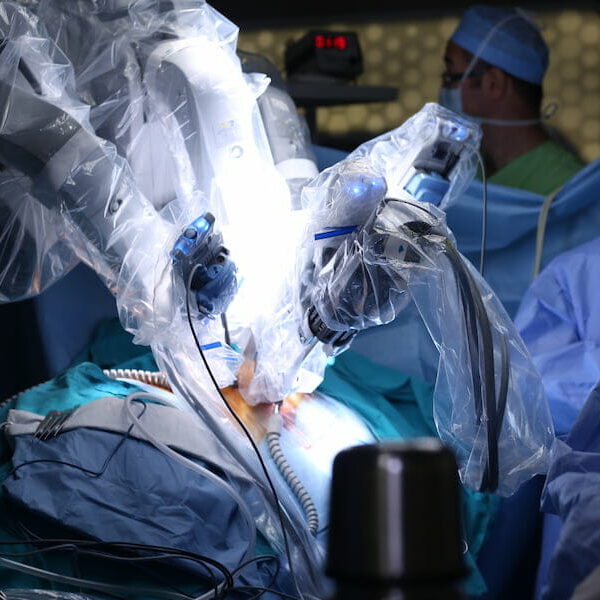
Robotic and laparoscopic surgery
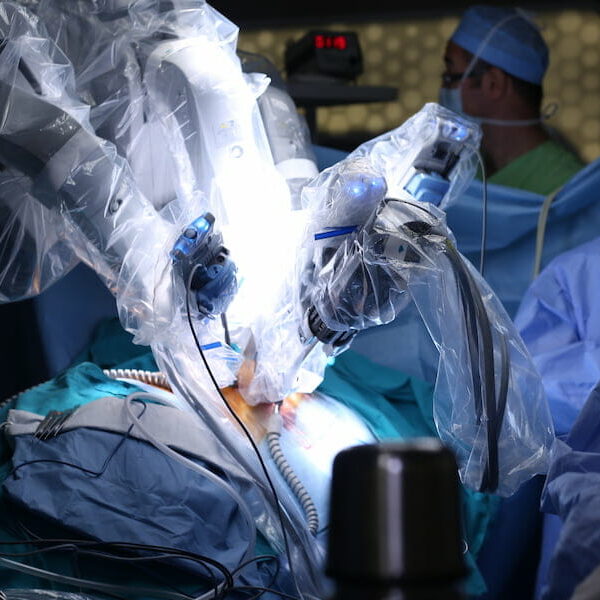
Many gynaecological procedures can be performed using keyhole (laparoscopic) techniques rather than traditional open surgery. In some cases, minimally invasive or robotic approaches may be considered to help reduce scarring, recovery and precision.
These approaches are not suitable for everyone. Whether they’re an option depends on your diagnosis, medical history and overall health. This will always be discussed carefully during your consultation, so you can understand the potential benefits and limitations before deciding what feels right for you.
If you’re unsure which service is suitable for you, starting with a consultation allows us to understand your concerns and guide you to the most appropriate next step.